

Loading page…
Diabetes is a long-term condition that causes high blood sugar when the body does not produce enough insulin or cannot use it properly.

Diabetes is a long-term condition in which blood glucose, also called blood sugar, becomes too high. Insulin is a hormone made by the pancreas that helps glucose move from the bloodstream into cells, where it is used for energy. When the body does not produce enough insulin or cannot use it properly, sugar remains in the blood. Over time, uncontrolled high blood sugar can damage blood vessels, nerves and organs. Diabetes care is an important part of treating metabolic diseases because the condition affects how the body processes and uses energy.
The cause and treatment depend on the type of diabetes:
Type 1 diabetes is an autoimmune condition in which the immune system destroys insulin-producing cells. People with type 1 diabetes need insulin every day.
Type 2 diabetes develops when the body becomes resistant to insulin or no longer produces enough to maintain healthy blood glucose levels. Treatment may include lifestyle changes, tablets, injections or insulin.
Gestational diabetes develops during pregnancy. It requires monitoring because high blood sugar can affect both the pregnant person and the baby.
Prediabetes means blood glucose is higher than normal but has not reached the diabetes range. Healthy changes and medical support may reduce the risk of developing type 2 diabetes.
Type 2 diabetes can develop gradually and may not cause obvious symptoms initially. Possible diabetes symptoms include:
Increased thirst or hunger
Frequent urination
Unexplained tiredness
Blurred vision
Slow-healing cuts or sores
Frequent infections
Tingling or numbness in the hands or feet
Unexplained weight loss
These symptoms do not confirm diabetes. A blood test is needed for diagnosis.
Type 1 diabetes develops through an autoimmune reaction and is not caused by diet. Type 2 diabetes is linked to several factors, including insulin resistance, family history, age, physical inactivity and excess body weight. However, people of any body size can develop it.
Gestational diabetes is connected to hormonal and metabolic changes during pregnancy. Certain pancreatic conditions, genetic disorders and medicines can also cause less common forms of diabetes.
Healthcare professionals may use an A1C test, fasting blood glucose test, oral glucose tolerance test or random plasma glucose test. The A1C test provides an estimate of average blood glucose over approximately three months.
After diagnosis, monitoring may involve laboratory tests, a blood glucose meter or a continuous glucose monitor. Individual glucose targets depend on age, health, pregnancy, medicines and the risk of low blood sugar.
Diabetes treatment is selected according to the type of diabetes, glucose levels, other medical conditions and response to previous treatment. Common treatment groups include:
Metformin helps reduce glucose production by the liver and improves how the body responds to insulin.
Sulfonylureas encourage the pancreas to release more insulin.
DPP-4 inhibitors help support insulin release after meals.
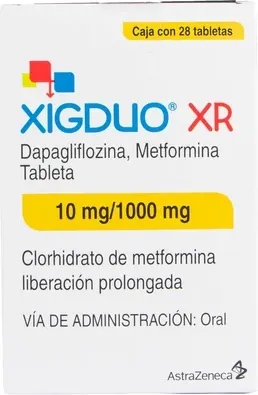
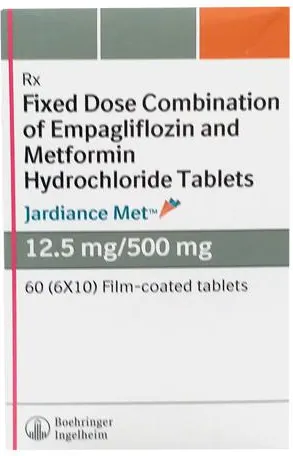
SGLT2 inhibitors help the kidneys remove additional glucose through urine.
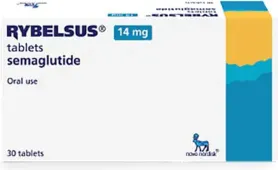
GLP-1 receptor agonists improve glucose control through several actions, including supporting insulin release after eating.
Thiazolidinediones improve the body’s sensitivity to insulin.
Insulin replaces or supplements the insulin available in the body.
Some people take more than one medicine. Certain treatments can also support heart or kidney health in suitable patients. Never combine or change diabetes medicines without professional guidance.
Standard metformin releases its medicine more quickly and may be taken more than once daily. Metformin ER releases it gradually and is often taken less frequently. The extended-release form may be better tolerated by some people who experience digestive side effects. Both contain the same active medicine, but they should not be exchanged without advice. Read our Metformin vs Metformin ER guide for a detailed comparison.
Persistently high blood sugar can increase the risk of heart disease, stroke, kidney disease, nerve damage, vision problems, slow-healing foot wounds and infections. Diabetes complications may develop quietly, which makes routine monitoring important even when a person feels well. Good blood glucose, blood-pressure and cholesterol management can help prevent or delay some complications.
You should seek urgent help in case of severe vomiting, abdominal pain, deep or difficult breathing, fruity-smelling breath, extreme dehydration, confusion, seizures or loss of consciousness. These may indicate diabetic ketoacidosis, a hyperosmolar hyperglycaemic state or severe hypoglycemia. People with type 1 diabetes should not stop insulin during illness unless instructed by their diabetes team.
KwickPharmacy helps customers compare diabetes medicines online by ingredient, strength and dosage form. Some products require a valid prescription. Diabetes treatment should be chosen with a qualified healthcare professional and reviewed as health needs change.
Dapagliflozin





Eating sugar alone does not directly cause every type of diabetes. Type 1 diabetes is autoimmune. Type 2 diabetes develops through a combination of insulin resistance, genetics and other risk factors. An eating pattern that contributes to excess weight may increase type 2 diabetes risk.