
Loading page…
Dapagliflozin is an SGLT2 inhibitor used for type 2 diabetes and for selected adults with heart failure or chronic kidney disease. Browse available dapagliflozin tablets at KwickPharmacy
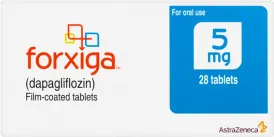
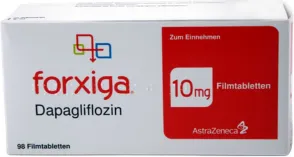
Dapagliflozin is an oral medicine in the sodium glucose cotransporter 2 inhibitor drug class. SGLT2 inhibitors help the kidneys remove more glucose and sodium through urine. Farxiga and Forxiga are brand names for dapagliflozin in different markets. Generic products contain the same active ingredient but can differ in packaging, inactive ingredients and manufacturer.
Dapagliflozin uses depend on the product approval and the patient’s health. It is used for:
Improving blood glucose control in eligible people with type 2 diabetes
Reducing hospital admission for heart failure in selected adults with type 2 diabetes and cardiovascular risk
Reducing cardiovascular death, heart failure admission and urgent heart failure visits in eligible adults with heart failure
Reducing worsening kidney disease, end stage kidney disease and related cardiovascular outcomes in eligible adults with chronic kidney disease
Dapagliflozin can be used for heart failure or chronic kidney disease in some people who do not have diabetes. A healthcare professional must confirm the diagnosis and suitability.
The kidneys filter glucose from the blood and normally return much of it to the bloodstream. Dapagliflozin blocks the SGLT2 protein that performs much of this reabsorption. More glucose then leaves the body through urine. The medicine also changes sodium and fluid handling. This reduces pressure inside the kidney filtering system and lowers strain on the heart. These effects explain why dapagliflozin has uses beyond blood glucose control.
Dapagliflozin dosage depends on the reason for treatment, kidney function and product information. For improving blood glucose in type 2 diabetes, treatment can begin with 5 mg once daily and increase to 10 mg once daily when additional control is needed. Dapagliflozin 10 mg once daily is commonly used for heart failure and chronic kidney disease. Take the tablet at the same time each day with or without food. Morning use is common because urination can increase. These are label-based examples and not personal dosing instructions. Do not take more than prescribed or double a missed dose.
Dapagliflozin 5 mg is commonly used as a starting strength for blood glucose control. Dapagliflozin 10 mg is the maximum common daily strength and is widely used for heart failure and kidney indications. The 10 mg strength is not a stronger weight loss treatment. Higher dosing should only follow the approved treatment plan.
Common dapagliflozin side effects include:
Genital fungal infections
Passing urine more often
Increased thirst
Dizziness
Back pain
Urinary discomfort
Low blood sugar when used with insulin or a sulfonylurea
Seek urgent medical help for:
Nausea, vomiting, stomach pain, unusual tiredness or difficult breathing
Severe dehydration, fainting or very low blood pressure
Fever with pain in the side or severe urinary symptoms
Pain, redness or swelling around the genitals or perineum with fever
Facial swelling, breathing difficulty or a serious rash
Ketoacidosis can occur even when blood glucose is not very high. Stop the medicine and obtain urgent assessment if warning symptoms develop.
Dapagliflozin removes glucose calories through urine. Some people experience modest weight loss. It is not approved as a general slimming medicine and should not be taken only for cosmetic weight loss.
People seeking approved weight management options can read about Mounjaro and tirzepatide. Tirzepatide works through different hormone pathways and should not be compared by dose.
Dapagliflozin can protect kidney function in selected people with chronic kidney disease. A small early change in kidney filtration can occur after treatment starts. Severe dehydration can worsen kidney function. Kidney tests and fluid status should be reviewed before treatment and when clinically needed. Dapagliflozin is not used during dialysis.
Tell the healthcare professional about all medicines and supplements. Important combinations include:
Insulin and sulfonylureas due to low blood sugar risk
Diuretics due to dehydration and low blood pressure
Blood pressure medicines because pressure can fall further
Lithium because SGLT2 inhibitors can change lithium levels
Medicines that can affect kidney function
Extra care is needed during vomiting, diarrhoea, fever, fasting, a ketogenic diet, heavy alcohol use, serious infection or surgery. Ask for written sick day instructions.
Dapagliflozin is commonly stopped several days before major surgery or prolonged fasting to reduce ketoacidosis risk. The exact timing must be provided by the surgical or medical team. Restart only after normal eating and drinking have returned and a healthcare professional confirms that it is safe.
Dapagliflozin is unsuitable for people with:
A serious allergy to dapagliflozin
Type 1 diabetes
Current diabetic ketoacidosis
Dialysis treatment
Specialist review is needed during pregnancy, breastfeeding, severe dehydration, serious infection or prolonged fasting.
Store dapagliflozin tablets in their original packaging at the temperature stated on the label. Protect them from heat and moisture. Keep them away from children and anyone for whom they were not supplied.
Dapagliflozin
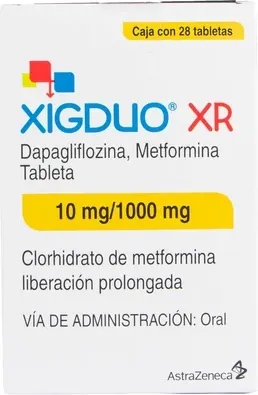
Farxiga is a brand containing dapagliflozin. The name Forxiga is used in several other markets.