
Loading page…
Empagliflozin is a prescription SGLT2 inhibitor used for type 2 diabetes and for selected adults with heart failure or chronic kidney disease. It is best known under the brand name Jardiance and is commonly supplied as empagliflozin 10 mg or 25 mg tablets.
Empagliflozin is an oral medicine in the sodium glucose cotransporter 2 or SGLT2 inhibitor drug class. It lowers blood glucose by helping the kidneys remove more glucose through urine. This action is different from insulin and does not depend on directly increasing insulin release.
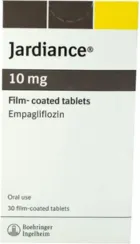
Jardiance is a well known brand that contains empagliflozin. Generic empagliflozin products contain the same active ingredient but their appearance, packaging, inactive ingredients and availability can differ by manufacturer and country.
Empagliflozin uses depend on the product approval and the country where treatment is prescribed. It is commonly used for the following purposes.
Improving blood sugar control in people aged 10 years and older with type 2 diabetes when used with diet and exercise
Reducing cardiovascular risk in certain adults with type 2 diabetes and established cardiovascular disease
Reducing the risk of cardiovascular death and hospital admission in adults with heart failure
Slowing the worsening of chronic kidney disease and reducing related heart and kidney outcomes in eligible adults
These uses do not mean that every patient should take empagliflozin. The expected benefit depends on the medical condition, kidney function, age, hydration and other treatments.
The kidneys normally filter glucose from the blood and return much of it to the body. A protein called SGLT2 is responsible for a large part of this glucose reabsorption. Empagliflozin blocks SGLT2 so more glucose and water leave the body in urine.
This helps lower blood sugar in type 2 diabetes. The changes in sodium and fluid handling also reduce pressure inside the kidneys and the workload on the heart. These effects help explain why empagliflozin is used for some people with heart failure or chronic kidney disease even when they do not have diabetes.
Empagliflozin dosage must follow the prescription and the exact product information. A common adult starting dose is empagliflozin 10 mg once daily in the morning with or without food. For additional blood sugar control in suitable patients, a prescriber can increase the dose to empagliflozin 25 mg once daily.
For heart failure and chronic kidney disease, 10 mg once daily is commonly used. A higher dose should not be assumed to provide greater heart or kidney protection. Kidney function and the reason for treatment influence whether empagliflozin is suitable.
Swallow the tablet with water. Take it at around the same time each day. Do not take two doses together to replace a missed dose. Anyone unsure about a missed dose should check the patient leaflet or ask a pharmacist.
Empagliflozin 10 mg is widely used as the starting strength and as the usual strength for heart failure or chronic kidney disease treatment. Empagliflozin 25 mg is mainly considered when greater blood sugar lowering is needed and the person tolerates the 10 mg dose. The strengths are not interchangeable without medical advice. Taking more than prescribed can increase fluid loss and other adverse effects without providing the intended extra benefit.
Common empagliflozin side effects are related to increased glucose and fluid in urine. They can include genital yeast infections, passing urine more often, thirst and urinary discomfort. Some people experience dizziness or low blood pressure, especially if they are dehydrated or take a diuretic.
Low blood sugar is not common when empagliflozin is used alone. The risk rises when it is combined with insulin or a sulfonylurea such as gliclazide or glimepiride. A prescriber can adjust the other diabetes medicine when needed. Seek urgent medical help for the following signs.
Nausea, vomiting, stomach pain, unusual tiredness or difficult breathing that could indicate ketoacidosis
Fever, pain in the side or back, or severe urinary symptoms that could indicate a serious infection
Pain, swelling, redness or tenderness around the genitals or perineum with fever or feeling unwell
Fainting, severe weakness or signs of significant dehydration
Swelling of the face or throat, a widespread rash or difficulty breathing
Ketoacidosis can occur even when blood glucose is not very high. Stop taking the medicine and seek urgent assessment if warning symptoms appear.
Tell the prescriber about kidney or liver disease, low blood pressure, recurrent genital or urinary infections, pancreatic problems, a low carbohydrate or ketogenic diet, heavy alcohol use, previous ketoacidosis, surgery plans and any condition that causes reduced food or fluid intake.
Empagliflozin can increase fluid loss. Vomiting, diarrhoea, fever, fasting and hot weather can make dehydration more likely. A healthcare professional can provide sick day instructions and explain when the medicine needs to be paused.
Empagliflozin is commonly stopped before major surgery or a procedure involving prolonged fasting because of ketoacidosis risk. Follow the exact timing given by the treating team. Do not restart it until a healthcare professional confirms that normal eating, drinking and clinical stability have returned. Kidney function should be checked before treatment and monitored when clinically needed. Empagliflozin is contraindicated in people receiving dialysis. The kidney threshold for use depends on the indication and local prescribing information.
Give the prescriber a complete list of prescription medicines, nonprescription products and supplements. Important treatment combinations include the following.
Insulin and sulfonylureas because the risk of low blood sugar can increase
Diuretics or water tablets because fluid loss and low blood pressure can become more likely
Other blood pressure medicines because blood pressure can fall too far in some patients
Lithium because SGLT2 inhibitors can affect lithium levels and require closer monitoring
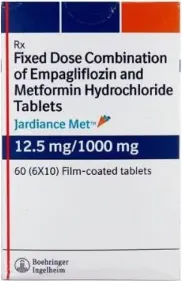
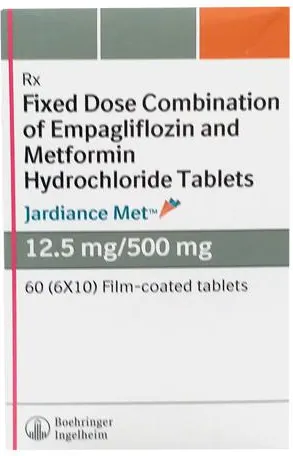
Empagliflozin is often prescribed with metformin, but the two medicines have different actions and safety points. Fixed combination products such as empagliflozin and metformin must be taken according to their own instructions.
Empagliflozin should not be used by anyone with a serious allergy to empagliflozin or the product ingredients. It is not suitable for people on dialysis and is not recommended for treating type 1 diabetes. Treatment requires careful review during pregnancy, breastfeeding, serious illness, severe dehydration, prolonged fasting or before surgery. Older adults and people taking diuretics can be more sensitive to fluid loss and low blood pressure. Do not start empagliflozin for weight loss or use another person's tablets. The medicine requires a valid clinical reason and appropriate monitoring.
Some people lose a modest amount of weight because glucose calories leave the body through urine. Empagliflozin is not approved as a general weight loss medicine and the response differs between people.
Someone seeking treatment mainly for obesity should discuss approved weight management options with a healthcare professional. KwickPharmacy also provides general information about Mounjaro and tirzepatide, but these medicines work differently and should not be compared only by the amount of weight seen in advertisements or online posts.
Keep empagliflozin tablets in their original packaging and follow the temperature instructions on the product label. Protect them from excess heat and moisture. Keep the medicine away from children, pets and anyone for whom it was not prescribed.
Do not use expired or damaged tablets. Use a pharmacy take back service or follow local disposal guidance for unwanted medicine. Do not flush tablets unless the local instructions specifically require it.
Empagliflozin
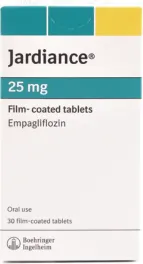
Jardiance is a brand name for empagliflozin. Generic products contain empagliflozin as the active ingredient but can have different packaging, inactive ingredients and manufacturers.