
 Featured
Loading page…
Tapentadol is a prescription opioid for pain severe enough to require one when suitable alternatives are inadequate. Immediate-release and extended-release tablets have different uses. Tapentadol can cause addiction, overdose and fatal breathing problems. C
Featured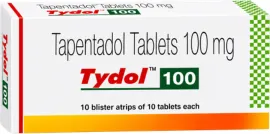
Tapentadol activates mu-opioid receptors and inhibits norepinephrine reuptake, changing pain perception and strengthening pain-control pathways.
In the US, immediate-release tapentadol is used for severe acute pain. Extended-release treatment is used for severe persistent pain and severe diabetic peripheral neuropathic pain. Authorised uses vary by country.
Tapentadol dosage depends on formulation, pain, previous opioid exposure, organ function, response and overdose risk. Use the lowest effective dose for the shortest appropriate duration.
Current US labelling starts immediate-release tablets within a 50–100 mg range every four to six hours when needed. Extended-release tablets normally use a fixed twice-daily schedule. These are not interchangeable instructions or personal advice.
Never calculate a dose from another opioid. Swallow extended-release tablets whole because crushing, chewing or dissolving them can release a potentially fatal dose.
The comparison “tapentadol vs tramadol” involves two opioids with additional monoamine effects. Tapentadol combines mu-opioid activity with norepinephrine reuptake inhibition. Tramadol has weaker opioid activity, affects serotonin and norepinephrine, and depends partly on an active metabolite.
Neither is automatically safer. Diagnosis, seizure or breathing conditions, other medicines and misuse risk affect selection.
People searching “tapentadol vs tramadol, which is stronger” should not compare tablet milligrams directly. Reviews describe tapentadol as approximately two to three times more potent than tramadol, but this is not a conversion formula.
Never substitute the same milligram dose or combine them unless specifically directed.
For tapentadol vs tramadol for nerve pain, diagnosis matters. Extended-release tapentadol has a US indication for severe diabetic peripheral neuropathic pain when alternatives are inadequate. Tramadol approvals vary, and its effect depends partly on metabolism.
Neither is automatically first choice; non-opioid treatment may be considered first.
For tapentadol vs tramadol side effects, both can cause nausea, dizziness, sleepiness, constipation, dependence and breathing suppression. Tapentadol may cause fewer serotonin-related effects but more typical strong-opioid effects.
Tramadol's serotonin activity and CYP2D6 metabolism contribute to variable response, interactions, serotonin syndrome and seizures. Neither should be mixed with alcohol or sedatives.
Common tapentadol side effects include:
Nausea or vomiting
Dizziness or sleepiness
Constipation
Headache
Dry mouth
Itching or sweating
Tiredness
Avoid driving until effects are known. Seek urgent help for slow or stopped breathing, extreme sleepiness, blue lips, inability to wake, seizure or facial swelling. Naloxone may be recommended for the household.
The question “Why does tapentadol feel so good?” may refer to relaxation or euphoria caused by opioid effects on reward pathways. This does not mean the medicine is safe and can encourage tolerance and addiction.
Never take tapentadol for calmness or euphoria. Report craving, dose escalation or non-medical use promptly.
The answer to “Is tapentadol stronger than morphine?” is generally no milligram for milligram. Tapentadol is usually considered less potent, although pain type affects response.
No conversion ratio is safe for every patient. Switching requires clinical calculation and close monitoring.
Do not combine tapentadol with alcohol, benzodiazepines, sleeping medicines or other sedatives unless specifically authorised.
Avoid monoamine oxidase inhibitors during treatment and for the label-specified period before starting.
Disclose antidepressants and other serotonergic medicines because serotonin syndrome can occur.
Tell the prescriber about breathing, liver or kidney problems, seizures, head injury, pregnancy and any history of substance misuse.
Store tablets locked away from children and visitors; never share or sell them.
Do not stop suddenly after regular use. A clinician should create an individual tapering plan.
Tapentadol
It is generally reserved for severe pain requiring an opioid when safer alternatives are inadequate.