

Loading page…
Mounjaro (tirzepatide) is a once-weekly prescription injection used with diet and exercise to improve blood sugar in people with type 2 diabetes. Explore Mounjaro strengths, uses, dosage and safety information.
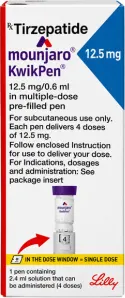
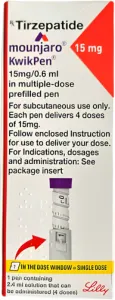
Mounjaro contains tirzepatide as its active ingredient. Tirzepatide acts on GIP and GLP-1 receptors, which are involved in the regulation of blood glucose and other metabolic processes. Mounjaro is prescribed as part of a treatment plan that includes diet and exercise for people with type 2 diabetes.
Mounjaro is supplied as an injectable prescription medicine and is intended for once-weekly administration. Patients should follow the dose and administration instructions provided by their healthcare professional and the product information supplied with their prescription, if you're unsure about your prescription, contact our support team for guidance on next steps.
Mounjaro is used along with diet and exercise to improve blood sugar control in adults and children aged 10 years and older with type 2 diabetes mellitus. Its current U.S. prescribing information also includes a cardiovascular indication for adults with type 2 diabetes who are at high risk of major cardiovascular events.
Mounjaro is not intended to replace healthy eating, physical activity, or other aspects of an individualized diabetes-management plan. The appropriate use of Mounjaro depends on the patient's medical condition, treatment history, and healthcare professional's assessment.
Mounjaro is available in several strengths. Current U.S. presentations include 2.5 mg, 5 mg, 7.5 mg, 10 mg, 12.5 mg, and 15 mg per 0.5 mL injection.
For adults, the U.S. prescribing information specifies a recommended starting dosage of 2.5 mg once weekly. After four weeks, the dosage is increased to 5 mg once weekly, with further increases possible in 2.5 mg increments after at least four weeks on the current dose when additional glycemic control is needed. The maximum recommended adult dosage is 15 mg once weekly.
Dosage should not be changed without medical advice. The appropriate Mounjaro strength and treatment schedule should be determined by a qualified healthcare professional.
Mounjaro contains tirzepatide, which activates both GIP and GLP-1 receptors. These hormone pathways are involved in glucose regulation and other metabolic functions. By acting on both receptors, tirzepatide helps improve blood glucose control when used with diet and exercise.
Because Mounjaro affects the digestive system and delays gastric emptying, it can also affect the absorption of some medicines taken by mouth. Patients should tell their healthcare professional about all medicines they are taking before starting treatment.
Mounjaro is administered once weekly as a subcutaneous injection. The injection can be given in the abdomen or thigh, while the back of the upper arm may be used when administered by another person. Injection sites should be rotated.
Mounjaro is supplied in single-dose injection devices, and patients should carefully follow the Instructions for Use provided with their prescription. Healthcare professionals can provide guidance on appropriate injection technique and administration.
The most common adverse reactions reported with Mounjaro include nausea, diarrhea, decreased appetite, vomiting, constipation, indigestion (dyspepsia), and abdominal pain. Not everyone experiences these effects, and patients should discuss persistent or concerning symptoms with their healthcare professional.
Mounjaro can also cause more serious adverse reactions. The prescribing information contains warnings and precautions relating to conditions including pancreatitis, severe gastrointestinal adverse reactions, acute kidney injury, gallbladder problems, hypoglycemia when used with certain other diabetes medicines, and serious allergic reactions.
Mounjaro carries a boxed warning concerning the risk of thyroid C-cell tumors observed in animal studies. It is not known whether Mounjaro causes thyroid C-cell tumors, including medullary thyroid carcinoma (MTC), in humans. Mounjaro is contraindicated in people with a personal or family history of MTC or in people with Multiple Endocrine Neoplasia syndrome type 2 (MEN 2).
Patients should provide their healthcare professional with complete information about their medical history, current medicines, allergies, pregnancy status, and other relevant health information before starting Mounjaro.
Mounjaro pens should generally be stored in a refrigerator at 36°F to 46°F (2°C to 8°C) and kept in the original carton to protect them from light. The pens should not be frozen. Patients should follow the storage instructions supplied with their specific prescription because handling requirements can vary by product presentation and market.


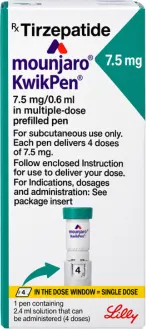
Yes. Mounjaro is administered once weekly as a subcutaneous injection. Patients should use it according to their prescribed dosing schedule.