
Loading page…
Tirzepatide is a once-weekly prescription injection used for type 2 diabetes or long-term weight management in eligible patients. It is the active ingredient in Mounjaro and Zepbound, whose approved uses differ. Browse tirzepatide injections by brand, strength, pack size and prescription status. Treatment requires assessment, dose adjustment and monitoring.
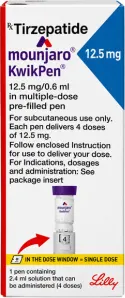
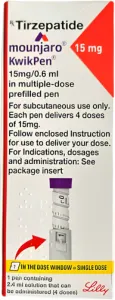
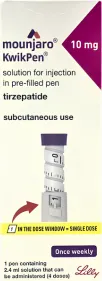
Tirzepatide is a prescription medicine that acts as a dual GIP and GLP-1 receptor agonist. These hormone pathways are involved in blood-sugar regulation, appetite and digestion. By acting on both pathways, tirzepatide can influence glucose control, food intake and stomach emptying.Tirzepatide is administered as a subcutaneous injection, meaning it is injected under the skin. It is not insulin and is not an approved oral tablet. People commonly search for information about what tirzepatide is, how tirzepatide works, whether tirzepatide is insulin and how tirzepatide injections are administered.
The approved uses and available products can vary by country and brand. The appropriate product, strength and treatment schedule should therefore be determined according to the applicable prescribing information and the individual's medical circumstances.
Depending on the licensed brand and market, tirzepatide uses may include improving blood-sugar control in eligible people with type 2 diabetes. It may also support chronic weight management in adults with obesity, or adults who are overweight with a related health condition, where the relevant product is approved for this purpose. Some markets also authorise tirzepatide for moderate-to-severe obstructive sleep apnoea in adults with obesity. Certain approved products or indications may also include reducing major cardiovascular-event risk in specific adults with type 2 diabetes who have an elevated cardiovascular risk.
Tirzepatide is used alongside appropriate nutrition and physical activity and is not indicated for type 1 diabetes. Approved uses vary by country, so patients should check the prescribing information for their specific product and indication.
Activating GIP and GLP-1 receptors can help stimulate insulin release when glucose is elevated and reduce glucagon secretion. Tirzepatide also slows stomach emptying and may influence appetite and food intake. These effects help explain its role in blood-sugar management and, where approved, chronic weight management. People often search for how tirzepatide works for weight loss or how quickly tirzepatide starts working. However, treatment response varies between individuals and can be influenced by dose, treatment duration, health conditions, nutrition, physical activity and individual response.
Clinical trial averages cannot predict an individual's exact “tirzepatide before and after” result. Weight changes should therefore be considered in the context of the person's overall treatment plan rather than as a guaranteed outcome.
Mounjaro and Zepbound both contain tirzepatide, but their approved indications can differ according to the market. In the United States, Mounjaro is primarily labelled for improving blood-sugar control in adults with type 2 diabetes, while Zepbound is labelled for chronic weight management in eligible adults and for moderate-to-severe obstructive sleep apnoea in adults with obesity. Although both products contain tirzepatide, they should not be considered interchangeable solely because they contain the same active ingredient. The appropriate product depends on the medical condition, approved indication and prescribing requirements.
Never use Mounjaro and Zepbound together or combine tirzepatide with another GLP-1 medicine unless specifically directed by a healthcare professional.
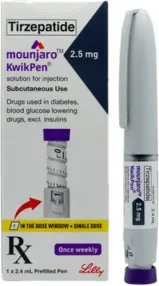
Official tirzepatide products commonly start with 2.5 mg once weekly for four weeks. Depending on the product and indication, a prescriber may increase the dose to 5 mg and then increase it in 2.5 mg steps after at least four weeks at each dose. The adult maximum may reach 15 mg weekly for certain approved uses. The 2.5 mg starting dose is intended to initiate treatment and is not generally a maintenance dose for blood-sugar control. Tirzepatide is injected under the skin of the abdomen, thigh or upper arm and can generally be taken on the same day each week, with or without food. Injection sites should be rotated.
Never share a tirzepatide pen or injection device. Follow the instructions supplied with the specific device, as administration instructions can differ between presentations. These dosing details are label examples and are not personal dosing instructions.
A missed tirzepatide dose can commonly be taken within four days (96 hours) of the scheduled dose. If more than four days have passed, the missed dose should generally be skipped and the next dose taken on the regular weekly day. Never take two tirzepatide doses within three days (72 hours) of each other to compensate for a missed injection. Taking doses too close together can increase the risk of adverse effects.
If you're unsure about your prescription, contact our support team for guidance on next steps.
Common tirzepatide side effects include nausea, diarrhoea, reduced appetite, vomiting, constipation, indigestion and abdominal discomfort. These effects may become more noticeable when treatment is started or when the dose is increased, and persistent or severe symptoms should be discussed with a healthcare professional. Urgent medical attention may be required for severe or persistent abdominal pain, symptoms of a serious allergic reaction, severe dehydration or symptoms that may indicate gallbladder problems. People should also be aware of the possibility of pancreatitis and other serious gastrointestinal complications.
Tirzepatide may increase the risk of low blood sugar when used with insulin or sulfonylureas. Other important risks include fluid-loss-related kidney injury and gallbladder problems, making appropriate medical monitoring important during treatment.
Tirzepatide should be avoided in people with a personal or family history of medullary thyroid carcinoma or in those with multiple endocrine neoplasia syndrome type 2, according to applicable product warnings. A healthcare professional should also know about pancreatitis, gallstones, severe gastroparesis, kidney problems or diabetic eye disease. Tirzepatide delays stomach emptying and may affect the absorption of medicines taken by mouth. Oral contraceptives may be less reliable for four weeks after starting treatment and for four weeks after each dose increase, so patients should discuss non-oral or barrier contraception with a healthcare professional.
Patients should tell surgical teams that they are taking tirzepatide because delayed stomach emptying may increase aspiration risk during procedures. Pregnancy plans should also be discussed, as weight-loss treatment is not recommended during pregnancy.
Tirzepatide should not be used after a serious allergic reaction to tirzepatide or any relevant ingredient in the product. Certain medical conditions, including severe digestive disease, may require additional assessment before treatment is started. People with a history of pancreatitis, gallbladder disease, kidney problems or diabetic eye disease should discuss these conditions with their healthcare professional. Pregnancy also requires special consideration, particularly when tirzepatide is being used for weight management.
People already using another tirzepatide product or another GLP-1 receptor agonist should not combine treatments unless specifically instructed by their prescriber. Starting, stopping or changing tirzepatide should be based on professional medical advice.
Unopened tirzepatide products are generally refrigerated at 2°C–8°C, protected from light and never frozen. Storage requirements can vary according to the specific product and presentation, so the medicine's supplied leaflet should always be checked. Some tirzepatide products may be permitted to remain at room temperature for a specified period. The permitted temperature and maximum room-temperature storage time can differ between products and markets.
If tirzepatide has been frozen, exposed to excessive heat or stored outside the recommended conditions, ask a pharmacist or healthcare professional whether it remains suitable for use rather than relying on a general storage timeframe.
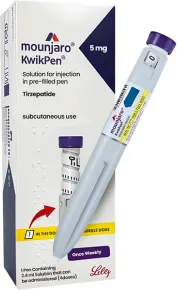
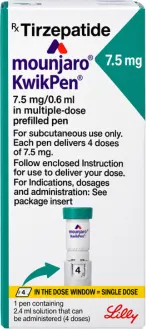
There is no guaranteed amount. Trial averages cannot predict an individual result; dose, duration, health, diet, activity and tolerability matter.