

Loading page…
Bacteria are tiny living germs that can cause infections in the body. These infections may affect the skin, throat, lungs, urinary tract, eyes and many other parts of the body.
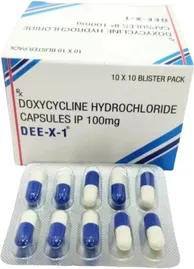

Antibacterial medicines are medicines that kill harmful bacteria or stop them from growing. Antibiotics are the main type of antibacterial medicine used inside the body. Some are taken by mouth, while others are applied to the skin or used as eye, ear or vaginal preparations.
Antibacterial medicines do not treat colds, flu or other viral infections. They also do not treat fungal infections unless a separate antifungal medicine has been prescribed. The correct medicine depends on the infection, allergies, other medicines, local resistance patterns and test results.
Bacteria can cause infections in many parts of the body, including:
Skin infections such as cellulitis, impetigo, infected wounds and boils
Throat infections such as confirmed strep throat
Chest infections and some types of bacterial pneumonia
Ear and sinus infections
Urinary tract infections
Dental infections and tooth abscesses
Bacterial vaginosis and selected sexually transmitted infections
Food poisoning caused by certain bacteria
Eye infections caused by bacteria
Infections after surgery, injury or medical procedures
Some infections improve without antibiotics, while others need quick treatment. A medical assessment helps decide which situation applies.
Symptoms vary according to the body area involved. Common signs include fever, chills, tiredness, headache, pain and swollen glands.
Other symptoms may include:
Red, warm, painful or swollen skin
Pus, blisters, sores or crusting
Cough, phlegm, chest pain or shortness of breath
Burning when passing urine or needing to urinate often
Diarrhoea, stomach pain, nausea or vomiting
Eye redness, swelling or discharge
Ear pain or fluid from the ear
Vaginal or penile discharge
A wound that becomes more painful or starts spreading redness
These symptoms can also occur with viruses, allergies or other conditions. Symptoms alone cannot confirm a bacterial infection.
A healthcare professional may examine the affected area and ask when the symptoms began. Depending on the problem, tests may include a urine test, throat swab, wound swab, blood test, sputum test or stool test. Some infections need an X-ray, ultrasound, CT scan or another scan.
Testing can identify the bacteria and help select an antibiotic that is likely to work. It can also prevent unnecessary antibiotic use.
The following medicine groups are commonly used for selected bacterial infections. The product, strength and treatment length must be chosen by a qualified prescriber.
Penicillin antibiotics: Amoxicillin, penicillin V and amoxicillin with clavulanic acid may be used for certain throat, chest, dental, ear and skin infections.
Cephalosporin antibiotics: Cephalexin, cefuroxime and cefixime may be prescribed for selected urinary, respiratory and skin infections.
Macrolide antibiotics: Azithromycin, clarithromycin and erythromycin may be used when particular bacteria are suspected or when a penicillin cannot be used.
Tetracycline antibiotics: Doxycycline is used for several skin, respiratory and sexually transmitted infections.
Fluoroquinolone antibiotics: Ciprofloxacin and levofloxacin are reserved for specific infections because they can cause serious side effects.
Sulfonamide combinations: Trimethoprim with sulfamethoxazole may be used for selected urinary and skin infections.
Nitroimidazole antibiotics: Metronidazole treats certain anaerobic bacterial infections and some genital or abdominal infections.
Lincosamide antibiotics: Clindamycin may be prescribed for certain dental, bone, joint and skin infections.
Urinary antibiotics: Nitrofurantoin and fosfomycin are commonly considered for some uncomplicated urinary infections.
Topical antibiotics: Mupirocin, fusidic acid and other products may be used for diagnosed bacterial skin infections.
Antibiotic eye or ear medicines: Specific drops or ointments are used only when the infection and medicine are suitable for that body area.
KwickPharmacy lists all these major antibiotic groups, including penicillins, quinolones, macrolides, cephalosporins, tetracyclines, lincosamides, nitroimidazoles, sulfa medicines and other specialist classes.
Take an antibiotic exactly as prescribed. Do not share it, save leftover tablets or use another person’s medicine. Do not stop or change treatment without speaking with the prescriber, even when symptoms improve.
Tell the healthcare professional about medicine allergies, pregnancy, breastfeeding, kidney or liver disease and all other medicines being taken. Some antibiotics interact with blood thinners, seizure medicines, antacids, contraceptives or heart medicines.
Common side effects include nausea, diarrhoea, stomach discomfort, dizziness, rash and yeast infection. Severe diarrhoea during treatment or soon afterwards may need medical attention. Swelling of the face or throat, wheezing, breathing difficulty, blistering or fainting may indicate a serious allergic reaction and requires emergency help.
Unnecessary antibiotic use can allow resistant bacteria to develop. Antibiotics should be used only when a qualified healthcare professional believes they are needed.
Seek urgent medical help for trouble breathing, confusion, fainting, a very high fever, stiff neck with severe headache, rapidly spreading redness, severe weakness, low blood pressure or signs of sepsis. Immediate assessment is also important for serious infections in babies, older adults and people with a weakened immune system.
Antibacterial medicines are used to treat selected infections caused by bacteria. They may be used for skin, throat, chest, urinary, dental, eye, ear or genital infections when a healthcare professional believes treatment is needed.