

Loading page…
Amoxicillin is a prescription penicillin antibiotic used for certain bacterial infections. It is available as capsules, tablets, chewable tablets and oral liquid.
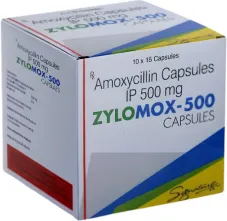
Amoxicillin is a beta-lactam antibiotic belonging to the penicillin group and is used to treat certain bacterial infections caused by susceptible bacteria. It works by interfering with the formation of the bacterial cell wall, which can stop susceptible bacteria from growing and lead to their destruction. Amoxicillin may be prescribed for infections affecting areas such as the ears, throat, respiratory tract, skin, and urinary tract when the causative bacteria are susceptible. The decision to use amoxicillin depends on factors such as the suspected or confirmed infection, symptoms, examination findings, local antibiotic resistance patterns, and, when appropriate, laboratory testing. Amoxicillin does not treat viral infections such as the common cold or flu and should be used only when medically appropriate.
Yes. Anyone asking “is amoxicillin an antibiotic?” should know that it is a penicillin-class antibiotic. It treats selected bacterial infections but does not work against colds, influenza or other viral illnesses. Unnecessary use can cause side effects and encourage antibiotic resistance.
Depending on the bacteria and local prescribing guidance, amoxicillin may be used for certain:
Ear, nose and throat infections
Lower respiratory tract infections
Urinary or genitourinary infections
Skin and soft-tissue infections
Helicobacter pylori infection associated with duodenal ulcers, together with other medicines
It is not suitable for every infection affecting these areas. The likely bacterium, resistance and medical history must be considered.
Amoxicillin works by interfering with the formation of the bacterial cell wall, an essential structure that helps bacteria maintain their shape and survive. By disrupting this process, amoxicillin can cause susceptible bacteria to weaken and break down, helping the body clear the infection. Symptoms may take several days to improve even after treatment begins, so patients should take the medicine exactly as prescribed. Complete the prescribed course unless the prescriber tells you to stop, and do not use leftover amoxicillin for a different infection.
When comparing an amoxicillin capsule vs tablet, both can deliver the same active ingredient. Capsules are swallowed whole, while tablets may be standard, chewable or dispersible. Excipients and directions can differ. Neither form is universally better. Use the prescribed formulation and do not divide, chew or open it unless the instructions permit this.
There is no single amoxicillin dosage for every patient. It depends on the infection, severity, age, weight, kidney function and local guidance.
Current labels include adult examples such as 250–500 mg every eight hours or 500–875 mg every twelve hours for selected infections. These are label examples, not personal instructions. H. pylori treatment uses a different combination regimen.
A child's amoxicillin dose is usually weight-based. Young infants and people with severe kidney impairment need special assessment. Take doses at evenly spaced times and never change or reuse a prescription independently.
Common side effects include nausea, vomiting, diarrhoea and rash. Seek urgent help for breathing or swallowing difficulty, wheezing, facial or throat swelling, widespread hives, fainting, or blistering or peeling skin. Severe watery or bloody diarrhoea, fever or strong abdominal cramps during or after treatment also require prompt assessment. Do not self-treat severe diarrhoea.
Amoxicillin should generally be avoided in people who have previously experienced a serious allergic reaction to amoxicillin, penicillin, or another beta-lactam antibiotic. Tell your healthcare professional about any previous reactions to cephalosporins or other antibiotics before starting treatment. Medical evaluation is also important for people with kidney or liver problems, mononucleosis (mono), pregnancy, or breastfeeding, as treatment or monitoring may need to be adjusted. Inform your prescriber if you have previously developed antibiotic-associated diarrhoea, particularly after taking penicillin or another antibiotic. Seek urgent medical attention if signs of a severe allergic reaction, such as difficulty breathing, facial or throat swelling, or widespread blistering rash, occur after taking amoxicillin.
Tell the prescriber about all medicines and supplements, especially:
Probenecid
Oral anticoagulants such as warfarin
Allopurinol
Other antibiotics
Ask about hormonal contraception because vomiting or severe diarrhoea can reduce protection from oral contraceptive pills.
Store the medicine in its original packaging at the temperature specified on the product label. Keep it protected from excessive heat, moisture, and direct sunlight, and store it safely out of reach of children. Do not use expired medicine or keep leftover medication for treating another infection, as the appropriate treatment may vary depending on the condition.
Amoxicillin
It is a common strength, but it is not suitable for every patient or infection. A higher strength does not automatically provide better treatment.