
Loading page…
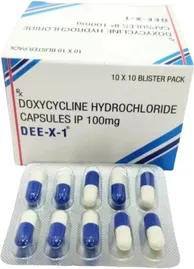
Doxycycline is a prescription tetracycline antibiotic for selected bacterial infections, inflammatory acne and malaria prevention. It does not treat colds or flu.
Doxycycline is a tetracycline antibiotic used to treat certain infections caused by susceptible bacteria. It works by blocking the production of proteins that bacteria need to grow and multiply, helping the body control and eliminate the infection. Doxycycline may be prescribed for a variety of bacterial infections, including some respiratory, skin, eye, and sexually transmitted infections, depending on the organism involved. Because antibiotics are effective only against bacterial infections, doxycycline should be used only when medically appropriate. Unnecessary or improper antibiotic use can contribute to antibiotic resistance, making future infections more difficult to treat and reducing the effectiveness of available treatments.
Approved doxycycline uses vary by product and country. A clinician may prescribe it for:
Certain respiratory, skin, eye and sexually transmitted infections
Chlamydia, Lyme disease and some tick-borne infections
Severe or inflammatory acne as part of a wider treatment plan
Malaria prevention for travel to selected regions
Selected uncommon infections or exposures
It is not appropriate for every cough, sinus infection, rash or urinary symptom.
A doxycycline tablet or capsule may contain doxycycline in different salt forms, including doxycycline hyclate or doxycycline monohydrate. Doxycycline hyclate is available in both immediate-release and delayed-release formulations, with differences in how the medicine is released and absorbed. The appropriate formulation, strength, and dosing schedule depend on the specific product and condition being treated. Because formulations are not necessarily interchangeable, do not substitute one doxycycline product for another or change the prescribed dose without professional advice.
Doxycycline hyclate and doxycycline monohydrate both contain doxycycline as the active antibiotic. They are available in different formulations, with hyclate commonly found in tablets, capsules, and delayed-release products, while monohydrate is commonly available in capsules and some tablets. When an equivalent prescribed dose is delivered, their effects are generally comparable. The practical differences may relate to the formulation, release design, excipients, and price, and tolerability can depend on the complete formulation rather than the salt form alone. Therefore, neither doxycycline hyclate nor monohydrate is always better; patients should follow the specific prescription and product instructions provided by their healthcare professional.
There is no universal doxycycline dose. Many adult regimens use 100 mg once or twice daily. Current US guidance, for example, recommends 100 mg twice daily for seven days for uncomplicated chlamydia in adolescents and adults. Malaria prevention follows a different schedule.
These are not self-treatment instructions. Children may need weight-based dosing, while pregnancy, breastfeeding and the diagnosis affect suitability.
Common doxycycline side effects include nausea, vomiting, diarrhoea, reduced appetite, headache, rash and increased sensitivity to sunlight. Use protective clothing and broad-spectrum sunscreen, and avoid unnecessary intense sun or tanning beds.
Seek urgent help for breathing difficulty, facial swelling, a severe or blistering rash, painful swallowing, persistent or bloody diarrhoea, or a severe headache with blurred or double vision. Contact a clinician if symptoms are troublesome or do not improve.
Tell the prescriber about allergies to tetracyclines, pregnancy or breastfeeding, and all medicines or supplements. Important interactions can involve antacids, mineral supplements, bismuth, warfarin, isotretinoin or other oral retinoids, and some seizure medicines. Avoid combining doxycycline with isotretinoin unless specifically directed because both can increase pressure around the brain.
Alcohol may reduce doxycycline’s effectiveness in some circumstances and can worsen stomach effects. Ask a healthcare professional for individual advice rather than skipping doses.
Store doxycycline in its original packaging at the temperature specified on the product label, protected from excessive heat, moisture, and direct light. Keep the medicine out of reach of children and away from areas where it may be exposed to unsuitable storage conditions. Do not use expired doxycycline, and do not share leftover antibiotics with other people, as antibiotic treatment should be selected according to the specific infection and medical advice.
Yes. Doxycycline is a tetracycline antibiotic for susceptible bacterial infections and certain preventive uses. It does not treat viruses.