
Loading page…
Respiratory problems can affect the nose, sinuses, throat, airways or lungs. Upper respiratory problems cause congestion and sneezing whereas lower respiratory problems cause coughing and difficulty breathing.
Respiratory problems affect breathing or another part of the respiratory system. They range from a cold or allergy to long-term conditions such as asthma and chronic obstructive pulmonary disease, known as COPD. An infection, allergy, airway inflammation or smoke exposure can produce similar respiratory symptoms. The right respiratory disease treatment begins with finding the cause.
At KwickPharmacy you can compare respiratory medicines online and check prescription requirements.
The upper respiratory tract includes the nose, sinuses and throat. Common problems include colds, sinusitis, laryngitis and allergic rhinitis.
An upper respiratory tract infection is usually caused by a virus. Common symptoms include:
A blocked or runny nose
Sneezing and nasal irritation
Sore throat or hoarseness
Headache or facial pressure
Mild fever, tiredness or cough
Most viral infections improve with supportive care. Antibiotics do not treat viral colds or flu. They may be prescribed for a diagnosed bacterial infection.
The lower respiratory tract includes the windpipe, airways and lungs. A lower respiratory tract infection can include bronchitis or pneumonia. Asthma, COPD and bronchiectasis are longer-term conditions.
Lower respiratory symptoms may include:
A persistent or chesty cough
Mucus or chest congestion
Wheezing or noisy breathing
Shortness of breath
Chest tightness or discomfort
Fever, fatigue or reduced ability to exercise
Asthma causes sensitive airways that can narrow after a trigger. COPD causes ongoing airflow limitation and is often linked to smoking or lung irritants. Both need an individual plan.
Common causes and triggers include:
Viruses, bacteria or other germs
Pollen, dust mites, mold or animal dander
Tobacco smoke, vaping and air pollution
Workplace dust, fumes or chemicals
Cold air, exercise or weather changes
Family history and long-term airway inflammation
Certain medicines or other medical conditions
A professional may check the chest and oxygen levels. Spirometry, allergy tests or a chest X-ray may be needed for persistent symptoms.
Treatment depends on whether the problem is an infection, allergy or long-term airway condition. Common options include:
Asthma inhalers and COPD inhalers may contain one or more medicines.
Bronchodilator inhalers relax airway muscles. Short-acting reliever inhalers may be used during sudden symptoms.
Corticosteroid inhalers reduce inflammation and help prevent asthma flare-ups.
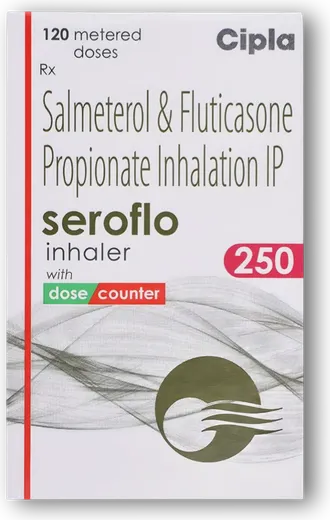
Combination inhalers may contain a corticosteroid and long-acting bronchodilator.
Antimuscarinic inhalers help keep airways open and are used in COPD treatment.
Nebulizer medicines turn liquid medicine into a mist for people who have difficulty using an inhaler.
Antihistamines and corticosteroid nasal sprays may help allergic rhinitis.
Antibiotics treat suitable bacterial respiratory infections, not asthma, COPD or viruses.
Oral corticosteroids or oxygen therapy may be used under medical supervision. Asthma treatment and COPD treatment should be reviewed if symptoms worsen or a reliever is needed more often.
Incorrect inhaler technique can reduce the medicine reaching the lungs. A doctor or pharmacist can demonstrate the device and advise whether a spacer is suitable.
Rinse the mouth after a corticosteroid inhaler. Keep inhalers clean and do not share them. Do not stop a controller inhaler without medical advice.
Rest, fluids and saline nasal spray may ease a mild upper respiratory infection. Avoid smoke, vaping and known triggers. Follow any asthma or COPD action plan provided.
Seek assessment for persistent wheezing, repeated infections or a cough that does not improve.
Call emergency services for severe breathing difficulty, blue or gray lips, confusion, fainting, strong chest pain or an inability to speak in full sentences. Urgent help is also needed when an asthma reliever does not work as directed or breathing continues to worsen.
No. Both restrict airflow but develop differently. Asthma symptoms often change with triggers. COPD usually causes persistent airflow limitation and needs long-term management.