
Loading page…
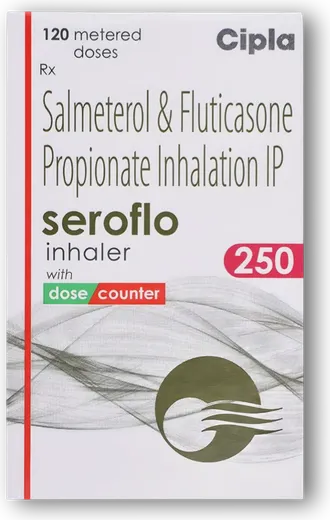
Fluticasone propionate is an inhaled corticosteroid used regularly to reduce airway inflammation and control asthma. Some treatment plans combine it with salmeterol for longer-lasting control of asthma or chronic obstructive pulmonary disease (COPD).
Fluticasone propionate is a corticosteroid that reduces swelling and irritation inside the airways. This can help prevent wheezing, coughing, chest tightness and shortness of breath.
It is a controller or preventer medicine. It must be used regularly as prescribed and does not provide rapid relief during a sudden asthma attack or acute breathing episode. A separate quick-relief inhaler may be prescribed for those situations.
Airway inflammation can make the breathing tubes swollen, sensitive and narrow. A fluticasone propionate inhaler reduces the inflammatory response over time. This makes the airways less likely to react to triggers and helps prevent symptoms or flare-ups.
The main salmeterol and fluticasone propionate inhaler uses include maintenance treatment of asthma and, for suitable products, COPD. It may be prescribed when a corticosteroid alone does not provide enough asthma control or when both medicines are appropriate.
Fluticasone reduces inflammation. Salmeterol is a long-acting beta2-agonist, or LABA, that helps keep the muscles around the airways relaxed. Their combined actions can improve ongoing symptom control and reduce flare-ups in suitable patients.
A salmeterol and fluticasone propionate inhaler is not a rescue treatment for sudden breathlessness. Do not take extra inhalations during an attack unless the individual treatment plan specifically instructs this.
A fluticasone-only inhaler reduces inflammation. The combination adds a long-acting bronchodilator. The correct choice depends on the condition, symptom control, age, previous therapy and risk of flare-ups.
Do not add another medicine containing salmeterol, formoterol or another LABA unless a prescriber has reviewed the complete treatment plan.
Use the inhaler regularly and follow the prescribed schedule.
Check the device-specific instructions before the first use.
Do not change the strength or stop treatment suddenly without medical advice.
Rinse the mouth with water after each dose and spit it out. This helps reduce oral thrush and throat irritation.
Keep the mouthpiece clean and dry as directed for the device.
Ask a healthcare professional to review inhaler technique regularly.
Keep the prescribed reliever inhaler available for sudden symptoms.
Possible side effects of salmeterol and fluticasone propionate inhaler treatment include:
Oral thrush
Hoarse voice or sore throat
Cough or throat irritation
Headache
Nausea
Tremor, muscle cramps or a noticeable heartbeat
Rinsing the mouth after use can lower the risk of thrush. Contact a healthcare professional if side effects persist or make it difficult to continue treatment.
Seek urgent medical help for severe breathing difficulty, swelling of the face or throat, fainting, chest pain, a very fast or irregular heartbeat or breathing that becomes worse immediately after inhalation. Fever, chills, increased mucus or worsening breathlessness may indicate pneumonia, particularly in someone being treated for COPD.
Long-term or high-dose corticosteroid use can rarely contribute to adrenal problems, lower bone density, cataracts, glaucoma or slowed growth in children. Appropriate monitoring may be recommended.
Tell the prescriber about heart problems, diabetes, thyroid disease, seizures, osteoporosis, glaucoma, cataracts, liver problems, infections or previous tuberculosis. Some dry-powder inhalers contain lactose and may not suit people with a severe milk-protein allergy.
Interactions may occur with some HIV medicines, antifungals, beta-blockers, antidepressants, diuretics and other corticosteroids or long-acting bronchodilators. Share a complete medicine and supplement list before treatment.
No. Fluticasone and salmeterol are maintenance medicines and do not replace a prescribed quick-relief inhaler. Follow the asthma or COPD action plan for sudden symptoms.