
 Featured
Loading page…
Acne is a common skin condition that develops when pores become clogged with oil, dead skin cells and bacteria. It may appear as blackheads, whiteheads, pimples, nodules or cysts.
Featured Featured
Acne, medically known as acne vulgaris, begins when a pore becomes blocked by oil and dead skin cells. The blockage may remain closed as a whitehead or open as a blackhead. Bacteria and inflammation can turn it into a red or painful pimple.
Acne often appears on the face, forehead, shoulders, chest and upper back. It is common during the teenage years, but adult acne and hormonal acne can develop too. At KwickPharmacy, customers can compare acne and dermatology medicines by active ingredient, strength and form, including creams, gels, lotions, face washes and oral medicines. Prescription and delivery requirements depend on the product and destination.
Acne does not always look the same. It may appear as:
Blackheads or whiteheads
Small red bumps
Tender or pus-filled pimples
Deep nodules under the skin
Painful cystic acne
Dark marks after pimples heal
Raised or indented acne scars
Acne is often blamed on poor hygiene, but that is not usually the cause. Breakouts involve excess oil, dead skin cells, bacteria and inflammation inside the pores. Hormonal changes can also increase oil production during puberty, menstrual periods or adulthood.
Some everyday factors can make existing acne worse. These include:
Heavy or oily makeup, cream and lotion
Skin care products that clog pores
Sweat, tight clothing or repeated friction
Picking, squeezing or scratching spots
Stress
Certain medicines
A family tendency to develop acne
Washing more often is not always helpful. Scrubbing too hard can irritate the skin and worsen inflamed acne.
There is no single acne medication for every skin type. A product for blackheads may not be enough for cystic acne, while strong treatment may be unnecessary for a few mild spots. The aim is to match the ingredient to the breakout.
Common acne treatment ingredients include:
Salicylic acid helps remove dead skin cells from pores and is often used for blackheads and whiteheads in face washes, gels or lotions.
Benzoyl peroxide reduces acne-causing bacteria and may help red, inflamed pimples. Dryness or peeling can occur at first.
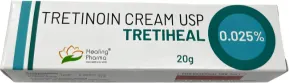
Adapalene and tretinoin are topical retinoids that keep pores clear. They may cause dryness, irritation or sun sensitivity.
Azelaic acid can help blocked pores, inflammation and some dark marks left after acne.
Antibiotics may be prescribed for inflammatory acne and are often paired with benzoyl peroxide to help limit antibiotic resistance.
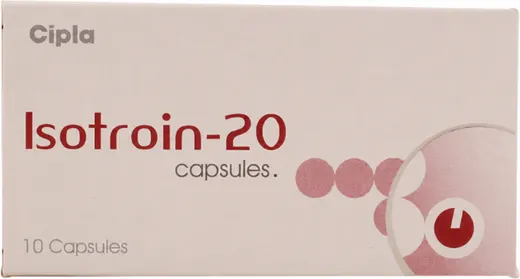
Isotretinoin is an oral prescription medicine for severe, scarring or treatment-resistant acne. It requires close medical supervision.
Anyone who is pregnant, planning a pregnancy or could become pregnant should speak with a healthcare professional before using acne medication, especially a retinoid.
Neither format is automatically better. Gels often feel lighter on oily skin, while a cream or lotion may suit dry or sensitive skin. The ingredient, strength and skin type matter more than a “face care” or “skin care” label.
A simple routine is usually kinder to acne-prone skin than using several strong products at once.
Gently wash the affected skin twice a day and after sweating.
Look for oil-free and non-comedogenic products.
Use a suitable moisturizer if the skin becomes dry.
Apply sunscreen during the day.
Keep hands away from pimples and avoid squeezing them.
Introduce new acne treatment products carefully and follow their directions.
More product does not mean faster results. Too much cream or gel may cause dryness, burning or peeling. Most treatments need consistent use before a noticeable change appears.
Seek medical advice when acne becomes painful, deep or widespread, leaves scars, or does not improve. Sudden severe adult acne should also be assessed. Early care may reduce further breakouts and scarring.
Isotretinoin
Acne is a skin condition that can cause blackheads, whiteheads, inflamed spots, cysts and scarring. A pimple is simply one type of acne spot. Getting an occasional pimple does not always mean someone has persistent acne.