
Loading page…
Piracetam is a prescription racetam used mainly as add-on treatment for cortical myoclonus where approved. Other proposed uses—including memory support, vertigo and dyslexia—depend on local product information and have varying evidence.
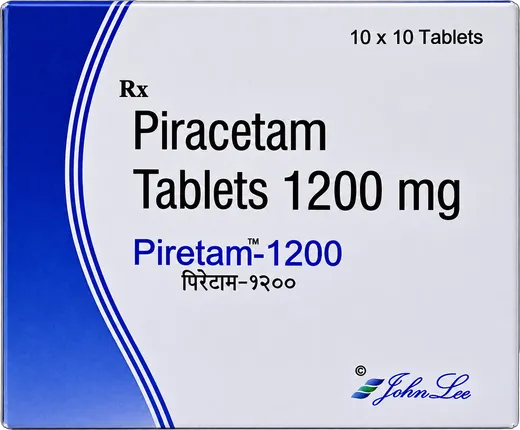
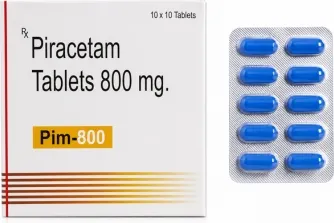
Piracetam is the original racetam medicine and is also marketed under the brand name Nootropil in some countries. It is available in different formulations and strengths, including piracetam 800 mg and piracetam 1200 mg tablets, although availability, approved strengths, and indications vary between countries. Piracetam is structurally related to gamma-aminobutyric acid (GABA) and is chemically described as a cyclic derivative of GABA. This makes searches for GABA derivatives relevant, but piracetam does not act as a conventional GABA-receptor agonist and should not be considered a typical sedative.
The approved piracetam uses vary considerably between countries. In the United Kingdom, piracetam is licensed for use with other medicines in adults with cortical myoclonus, a neurological condition characterised by brief, sudden, involuntary muscle jerks that originate from the cerebral cortex. Treatment is generally prescribed under specialist supervision, with the dose and treatment plan tailored to the individual's condition.
In some other countries, piracetam may be authorised for additional indications, such as symptomatic vertigo, selected cognitive disorders, or adjunctive treatment for dyslexia. Piracetam has also been investigated for conditions including dementia and sickle cell anaemia, but research interest does not mean that these are established or universally approved uses.
The exact way piracetam affects the brain, particularly in cortical myoclonus, is not fully understood. Research suggests that piracetam may influence neuronal membrane fluidity and cellular communication, potentially affecting processes involved in neuroplasticity and the function of neurotransmitters. Proposed effects include interactions with cholinergic and glutamatergic pathways, although the precise clinical significance of these mechanisms remains uncertain.
Piracetam may also influence blood cells outside the brain, including red blood cells and platelet aggregation, which may contribute to some of its observed biological effects. However, these proposed mechanisms should not be interpreted as proof that piracetam improves intelligence, concentration, learning, or memory in healthy people. Clinical reviews have not established a consistent or reliable memory-enhancing benefit, and piracetam should not be considered a proven cognitive enhancer or “smart drug.”
For an appropriate patient with cortical myoclonus, piracetam may help reduce the frequency or severity of involuntary muscle jerks when used as part of a prescribed treatment plan. The degree of improvement can vary between individuals, and ongoing medical review is important to assess treatment response, tolerability, and whether continued therapy remains appropriate.
The potential benefits of piracetam should be considered within its approved uses and available clinical evidence. It should not replace evidence-based neurological care or other established treatments. Piracetam is also not a substitute for appropriate educational support for dyslexia or standard medical management of sickle cell disease, particularly where evidence for piracetam remains limited or its use is not authorised.
Piracetam dosage depends on the diagnosis, product and kidney function. For UK-licensed cortical myoclonus treatment, the adult starting dose is 7.2 g daily in two or three doses. A specialist may increase it by 4.8 g every three to four days, up to 24 g daily.
These gram-level schedules are not self-treatment recommendations. Tablet strength is not the total daily dose. Swallow tablets with liquid, with or without food. Older adults and people with reduced kidney function may need dose reduction and renal monitoring.
Do not double a missed dose. Never stop piracetam suddenly unless a clinician provides a tapering plan, because abrupt withdrawal may cause myoclonic or generalised seizures.
Possible piracetam side effects include:
Nervousness, restlessness or agitation
Involuntary movement or increased activity
Sleepiness, weakness or dizziness
Headache, insomnia or confusion
Nausea, vomiting, diarrhoea or abdominal discomfort
Weight gain, rash or itching
Seek urgent help for breathing difficulty, facial swelling, a severe allergic reaction, unusual bleeding, hallucinations, loss of balance or worsening seizures. Avoid driving or using machinery until you know how the medicine affects alertness and coordination.
Piracetam is removed mainly through the kidneys and can affect platelet aggregation. Tell the prescriber about kidney disease, bleeding disorders, stomach ulcers, previous haemorrhagic stroke, upcoming surgery or dental treatment. Extra caution may be required with anticoagulants, antiplatelet medicines—including low-dose aspirin—and thyroid hormones. Provide a complete list of medicines and supplements before treatment.
Piracetam or pyrrolidone allergy
Severe kidney impairment
Previous cerebral haemorrhage
Huntington’s chorea
Pregnancy without specialist approval
Breastfeeding during treatment
Store piracetam in its original packaging, following the temperature and storage conditions specified on the product label. Keep the medicine out of the sight and reach of children and protect it from excessive heat, moisture, and unsuitable storage conditions. Do not use piracetam tablets or other formulations after their expiry date. Ask a pharmacist or follow local medication-disposal guidance for the safe disposal of unused or expired medicine.
Piracetam
Yes. Sleepiness or somnolence is a recognised piracetam side effect, although some people experience nervousness or insomnia instead. Avoid driving until you know your response, and speak with the prescriber if daytime drowsiness persists.