
Loading page…
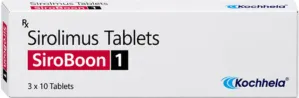
Sirolimus is a prescription mTOR inhibitor used to help prevent rejection after a kidney transplant and to treat lymphangioleiomyomatosis (LAM). Browse available sirolimus tablets and oral solution at KwickPharmacy. Compare the dosage form, strength, manufacturer, pack size and prescription status before ordering.
Sirolimus, also known as rapamycin, is an immunosuppressant medicine that reduces certain immune-system responses. It is available under brand names such as Rapamune and is supplied in oral formulations, including tablets and oral solution. Depending on the indication, sirolimus may be prescribed as part of specialist-managed treatment.
Topical sirolimus is a separate formulation designed for application to the skin care and is used for certain dermatological conditions. It should not be swallowed or substituted for oral sirolimus, as the formulations have different strengths, routes of administration, and approved uses. Always use the specific formulation prescribed by your healthcare professional.
Approved sirolimus uses include preventing organ rejection in eligible kidney-transplant recipients and treating lymphangioleiomyomatosis (LAM), a rare progressive lung disease. Other specialist uses may depend on the diagnosis, formulation, and local regulatory approval.
Sirolimus is also being investigated for conditions including cancer, vascular anomalies, and age-related conditions.Using sirolimus without appropriate medical supervision can cause serious infections, toxicity, and other complications.
Sirolimus binds to FKBP12 and forms a complex that inhibits the mammalian target of rapamycin (mTOR) pathway. This reduces signalling involved in immune-cell activation and proliferation, helping suppress the immune response that can contribute to transplant rejection.
In LAM, mTOR inhibition can also reduce the abnormal growth and proliferation of cells involved in the disease. These effects explain why sirolimus can be useful in both immunosuppressive treatment and selected mTOR-related disorders.
The comparison sirolimus vs tacrolimus involves two different classes of immunosuppressive medicines used in transplant medicine. Sirolimus is an mTOR inhibitor, while tacrolimus is a calcineurin inhibitor and is commonly included in early kidney-transplant immunosuppression regimens.
Tacrolimus can cause kidney toxicity, tremor, high blood sugar, and other metabolic effects, while sirolimus may cause high cholesterol or triglycerides, swelling, proteinuria, mouth ulcers, delayed wound healing, and pneumonitis. Both medicines can increase the risk of infections and certain malignancies and require appropriate therapeutic drug monitoring. Neither is universally better, and they are not directly interchangeable. Unsupervised switching can increase the risk of rejection or medication toxicity.
The appropriate sirolimus dosage depends on the condition being treated, liver function, interacting medicines, formulation, and measured blood concentration. It is commonly administered once daily and should be taken consistently either with or without food according to the prescribing instructions.
For adult LAM, prescribing information may use 2 mg once daily initially, with subsequent adjustment based on the patient's response and sirolimus trough concentration. Transplant regimens can involve a loading dose followed by individualized maintenance treatment. These are prescribing examples rather than self-dosing instructions. Blood-level monitoring is particularly important because sirolimus has a narrow therapeutic range and numerous drug interactions.
Follow the prescribed timing carefully when sirolimus is used with cyclosporine. Tablets should be swallowed whole and should not be crushed, chewed, or split unless the specific product instructions allow it. Only the treating specialist should adjust the dose based on blood results and clinical response.
Common sirolimus side effects include mouth ulcers, abdominal pain, diarrhoea, nausea, headache, acne, swelling, high blood pressure, increased cholesterol or triglycerides, and changes in blood-cell counts. Proteinuria and delayed wound healing may also occur, particularly in transplant recipients.
Seek urgent medical attention for signs of a serious infection, difficulty breathing, worsening cough, unusual bleeding, severe swelling, an infected or poorly healing wound, a serious allergic reaction, or significant neurological changes. Depending on the indication, monitoring may include blood counts, kidney and liver function, urine protein, lipid levels, and sirolimus blood concentrations.
Sirolimus carries important warnings regarding serious infections, lymphoma, and other malignancies because it suppresses immune-system activity. It is generally not recommended as the primary immunosuppressive medicine for liver or lung transplantation. Because immunosuppression can increase the risk of skin cancer, appropriate sun protection and recommended skin examinations are important.
Grapefruit and grapefruit juice should be avoided because they can significantly alter sirolimus levels. Tell your healthcare professional about antifungal medicines, macrolide antibiotics, seizure medicines, rifamycin antibiotics, St John's wort, cannabidiol, and any other medicines or supplements you take. Vaccination should be discussed with the treating team because live vaccines are generally avoided during significant immunosuppression.
Tell the transplant team before planned surgery because sirolimus can impair wound healing. Pregnancy, contraception, breastfeeding, and fertility should also be discussed before treatment. Never stop sirolimus suddenly after transplantation unless the transplant specialist specifically instructs you to do so.
Sirolimus should not be used by people with a known hypersensitivity to sirolimus or any ingredient in the specific formulation. Treatment requires specialist assessment in people who are pregnant or planning pregnancy, have an active serious infection, severe liver impairment, a major planned surgery, or a significant unhealed wound.
Additional specialist review is important for people with a liver or lung transplant, those taking strong CYP3A4 or P-glycoprotein interacting medicines, or those scheduled to receive a live vaccine. The decision to use sirolimus should be based on the indication, medical history, current medicines, laboratory results, and potential risks.
Store sirolimus tablets in their original container according to the temperature and storage conditions stated on the product label. Protect the medicine from excessive moisture and unsuitable light or temperature conditions, and keep it out of reach of children.
Sirolimus oral solution can have different storage and use-after-opening requirements depending on the formulation, so follow the specific product instructions carefully. Do not use the medicine after its expiry date or outside the recommended storage conditions.
Neither is best for everyone. Tacrolimus inhibits calcineurin; sirolimus inhibits mTOR. Selection depends on rejection risk, kidney function, healing, side effects and other medicines.