
Loading page…
Itraconazole is a prescription antifungal for selected skin, nail and deeper fungal infections. Treatment depends on the fungus, infection site and medical history.
Itraconazole is a triazole antifungal medicine used to treat certain fungal infections affecting areas such as the skin, nails, mouth, lungs, and other parts of the body. It works by blocking the production of ergosterol, an essential component of fungal cell membranes, thereby slowing or stopping fungal growth.Itraconazole is available in formulations such as capsules and oral solutions, and the appropriate dose and treatment duration depend on the type and severity of the infection. It is not an antibiotic and does not treat bacterial or viral infections. BecauseItraconazole can interact with several medicines and may not be suitable for everyone, it should be used only as directed by a healthcare professional.
ApprovedItraconazole uses vary by product and country and include:
Fungal nail infections, known as onychomycosis
Ringworm and other fungal skin infections
Pityriasis versicolor
Selected oral or genital infections where the formulation is authorised
Deeper infections including aspergillosis, histoplasmosis and blastomycosis
The phraseItraconazole capsules uses covers different conditions; one dose does not treat them all. Testing may be needed before longer treatment.
New or worsening hearing loss
Itraconazole can worsen heart failure and rarely cause serious liver injury. These warning signs require immediate assessment.
Itraconazole capsules provide systemic antifungal treatment, allowing the medicine to reach tissues such as the skin and nails where topical treatments may not work sufficiently. They can be useful for treating fungal infections that are difficult to manage with creams alone. For nail infections, improvement can take time because the damaged nail must gradually grow out as healthy nail replaces it.
Itraconazole works by blocking the production of ergosterol, an essential component of fungal cell membranes. By interfering with ergosterol synthesis,Itraconazole weakens the structure and function of the fungal cell membrane, which can inhibit fungal growth and help the body clear the infection. This antifungal mechanism allowsItraconazole to act against several types of susceptible fungi and makes it useful for treating certain fungal infections of the skin, nails, and other tissues. Its effectiveness depends on the type of fungus causing the infection and its susceptibility toItraconazole .
Itraconazole oral products include capsules and solution, but these forms are not interchangeable. Swallow standard capsules whole immediately after a full meal. Do not open, crush or chew them.
Antacids and acid-reducing medicines can lower capsule absorption. Ask how to manage them. Capsules and oral solution have different food instructions.
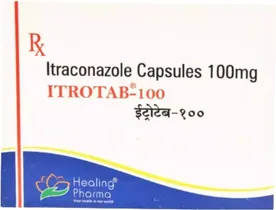
Itraconazole capsules 100mg refers to capsules containing 100 mg. Medicine labels normally include a space: “100 mg.” Strength alone does not determine the dose.
There is no singleItraconazole dosage suitable for every fungal infection. The correct dose depends on the type of fungal infection and the area affected.
Itraconazole capsule doses can range from 100 mg once daily to 200 mg once or twice daily, depending on the diagnosed infection. Do not use these ranges to choose a dose without a prescription.
Current US capsule labelling provides these examples:
Toenail infection: 200 mg once daily for 12 consecutive weeks
Fingernail infection: two one-week courses of 200 mg twice daily, separated by three weeks without treatment
Certain systemic infections: commonly 200 mg daily, with some regimens reaching 400 mg daily in divided doses
Never extend, repeat or restart a course independently.
CommonItraconazole side effects include nausea, stomach pain, diarrhoea, constipation, headache, dizziness, rash and tiredness.
Stop the medicine and seek prompt medical help for:
Shortness of breath, leg swelling, sudden weight gain or unusual fatigue
Yellow skin or eyes, dark urine, pale stools or severe loss of appetite
Facial swelling, breathing difficulty or a severe skin reaction
New numbness, tingling or weakness
Itraconazole may not suit people with heart failure, ventricular dysfunction, liver disease or an azole allergy. Nail-infection treatment should not be used during pregnancy. Breastfeeding and kidney problems require review.
Yes. Sporanox antifungal capsules containItraconazole . Sporanox nail fungus treatment may use continuous dosing for toenails or pulse treatment for fingernails. Visible improvement takes months because healthier nail must grow out.