
Loading page…
Carvedilol is a medicine used for high blood pressure, heart failure and certain patients after a heart attack. It helps the heart work with less strain. Browse carvedilol tablets by comparing the strength, manufacturer, pack size and prescription status before ordering.
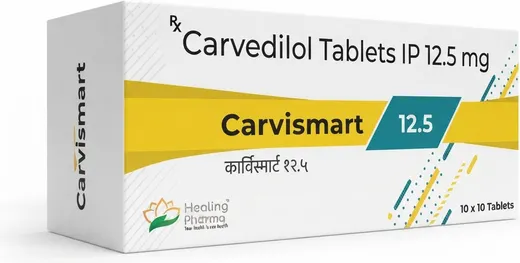
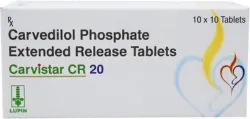
Carvedilol is a prescription heart medicine that can slow heart rate, relax blood vessels, and lower blood pressure. Coreg generic name searches refer to carvedilol. Immediate-release tablets are commonly available in 3.125 mg, 6.25 mg, 12.5 mg and 25 mg strengths. Extended-release products may also be available in some countries.
The medicine is normally used as part of a wider care plan. This may include other heart medicines, regular blood pressure checks, suitable physical activity and changes to diet. Carvedilol controls certain heart and blood pressure problems but does not cure them.
The carvedilol drug class is alpha and beta blockers. More specifically, it is a non-selective beta blocker with alpha-1 blocking activity. Beta-blocking action reduces the effect of stress hormones on the heart. Alpha-1 blocking action helps blood vessels relax.
This combined action can lower heart rate and blood pressure while reducing the work placed on the heart. Carvedilol is not a blood thinner, diuretic or ACE inhibitor. These medicine classes work in different ways and may sometimes be prescribed alongside carvedilol.
Common carvedilol uses include high blood pressure, long-term heart failure and reduced heart function after a heart attack.
For high blood pressure, carvedilol helps lower pressure inside the blood vessels. This reduces the daily workload of the heart. It may be used alone or with another blood pressure medicine.
For long-term heart failure, carvedilol can help the heart pump more efficiently over time. Treatment usually starts with a very small dose because some people feel more tired or notice temporary changes in symptoms at the beginning.
Carvedilol may also be prescribed for clinically stable patients whose left ventricle does not pump well after a heart attack. Regular use may reduce serious cardiovascular risks in suitable patients. The expected benefit and treatment plan depend on the diagnosis.
Carvedilol reduces the effects of adrenaline and similar hormones. This makes the heart beat more slowly and with less force. At the same time, relaxed blood vessels allow blood to move more easily. These effects can lower blood pressure and reduce strain on a weakened heart. The medicine begins working after a dose, but improvement in blood pressure or heart failure symptoms may take longer. Regular monitoring shows whether the dose is suitable.
Carvedilol 6.25 mg is a common tablet strength. It may start high blood pressure treatment or form part of gradual heart failure treatment. Strength alone does not determine how often it should be taken. Current immediate-release tablet labels provide these examples.
High blood pressure may start at 6.25 mg twice daily.
Heart failure may start at 3.125 mg twice daily.
Treatment after a heart attack may start at 6.25 mg twice daily, although a lower dose may be used.
A prescriber may increase the carvedilol dosage after checking blood pressure, pulse, symptoms and tolerance. Dose increases are gradual because raising it too quickly can cause dizziness, fainting, a slow heartbeat or worsening fluid retention.
These are labelled examples and not personal instructions. Age, body weight, liver function, other medicines and the condition being treated can change the dose. Extended-release carvedilol follows a once-daily schedule and should not be exchanged with immediate-release tablets without clear instructions.
Take immediate-release carvedilol with food to reduce dizziness.
Take it at the same time each day.
Stand up slowly if feeling light-headed.
Do not double a missed dose.
Never stop suddenly because heart problems may worsen.
Morning or night timing depends on the prescription. Follow the label and do not change the schedule independently.
Blood pressure and pulse may be checked more often when treatment starts or the dose changes. People taking carvedilol for heart failure may also be asked to track weight and swelling. Contact the care team if vomiting, diarrhoea or poor fluid intake causes weakness or low blood pressure.
Common carvedilol side effects include dizziness, tiredness, low blood pressure, diarrhoea, slow heartbeat, nausea and changes in blood sugar. Some people also notice headache, cold hands or feet, weakness or changes in sexual function. Mild effects may improve as the body adjusts.
Carvedilol can sometimes make heart failure symptoms worse when treatment begins or the dose rises. Sudden weight gain may mean fluid build-up. Contact the care team about new swelling, worsening breathlessness or a clear change in exercise tolerance.
Seek urgent help for fainting, chest pain, severe breathing difficulty, a very slow or irregular heartbeat, or signs of a serious allergic reaction. Do not drive when dizziness or unusual tiredness affects alertness.
Carvedilol may hide a fast heartbeat caused by low blood sugar. People with diabetes may need closer glucose monitoring, especially when treatment begins or changes. It can also tighten the airways and worsen breathing in people with asthma or similar lung conditions. Discuss these medicines with the prescriber.
Other blood pressure or heart-rate medicines
Digoxin, amiodarone, verapamil or diltiazem
Clonidine
Insulin and other diabetes medicines
Certain antidepressants
Rifampicin or rifampin
Anti-inflammatory pain medicines
Alcohol may increase dizziness and low blood pressure. Anti-inflammatory pain medicines may reduce blood pressure control or affect kidney function in some patients. Ask what to avoid when taking carvedilol based on the full medicine and supplement list.
Tell the healthcare team about carvedilol before surgery. It can affect heart rate and blood pressure during anaesthesia. Eye surgeons should also know before cataract surgery. Never stop it before a procedure unless the prescriber gives a safe plan.
Carvedilol may not suit people with severe asthma, a very slow heartbeat, certain heart blocks, severe liver problems or unstable heart failure that needs intravenous support. It should not be taken after a serious carvedilol allergy.
Extra review is needed for diabetes, poor circulation, low blood pressure, kidney problems, thyroid disease or previous severe allergic reactions. Pregnancy, breastfeeding and planned surgery should also be discussed before treatment.
Keep carvedilol in its original pack, away from heat, strong light, moisture and children. Store it at the temperature stated on the label. Do not use damaged or expired tablets. A pharmacist can explain how to dispose of unwanted medicine safely.
Carvedilol
Yes. It is a non-selective beta blocker that also blocks alpha-1 receptors. This helps slow the heart and relax blood vessels.