
Loading page…
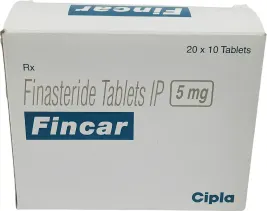
Finasteride is a prescription medicine used for male pattern hair loss and benign prostate enlargement. Hair-loss treatment is normally supplied as a 1 mg oral tablet. Browse finasteride medicines at KwickPharmacy. Compare the active ingredient, strength, manufacturer, pack size and prescription status before ordering.
Finasteride is a type II 5-alpha-reductase inhibitor that reduces the conversion of testosterone into dihydrotestosterone (DHT). Propecia 1 mg is used to treat male androgenetic alopecia, while Proscar 5 mg is used to treat benign prostatic hyperplasia (BPH), or an enlarged prostate. These strengths are intended for different conditions and are not interchangeable without medical guidance.
Finasteride is not a steroid and does not produce instant hair growth. It works by reducing DHT levels and is primarily effective for suitable types of male pattern hair loss and prostate enlargement. The expected benefits and treatment response can vary between individuals.
Finasteride 1 mg is used to treat male pattern hair loss (androgenetic alopecia) by reducing DHT levels, which can help slow further hair thinning and may improve hair coverage over time. Treatment tends to be more beneficial when started before substantial or permanent hair loss has occurred. Finasteride 5 mg is used to treat an enlarged prostate (benign prostatic hyperplasia) and is not simply a stronger dose for hair loss.
Finasteride is not appropriate for every type of hair shedding. Sudden, patchy, or heavy hair loss should be medically assessed because it may be associated with nutritional deficiencies, thyroid disorders, illness, certain medicines, scalp inflammation, or conditions such as alopecia areata. Identifying the underlying cause helps determine whether finasteride is an appropriate treatment.
Finasteride works by inhibiting the enzyme 5-alpha-reductase, which normally converts testosterone into dihydrotestosterone (DHT). DHT contributes to the gradual miniaturization of genetically sensitive hair follicles on the scalp, causing hairs to become thinner and shorter over time in male pattern hair loss.
By lowering DHT levels, finasteride can help slow hair follicle miniaturization and prolong the growth phase of susceptible follicles. This may reduce further hair loss and support improved hair coverage over time, although the response varies between individuals and treatment must be continued to maintain its benefits.
Finasteride and minoxidil work differently but can complement each other for male pattern hair loss. Finasteride lowers DHT to help reduce follicle miniaturization, while minoxidil supports the active growth phase of hair follicles. Some research suggests that combining oral finasteride with topical minoxidil may provide greater improvement for some men than either treatment alone.
People asking, “Is it good to take minoxidil and finasteride together?” should first confirm the cause of hair loss with a healthcare professional. A prescriber may recommend both when appropriate. Oral minoxidil is different from topical minoxidil and is generally used for hair loss off-label, requiring medical assessment because it can affect blood pressure and heart rate.
Topical finasteride approval varies by country. In the United States, compounded topical finasteride is not FDA-approved, and some of the medicine can still be absorbed systemically. Use only a formulation recommended by a qualified healthcare professional.
The most effective treatments for shedding and thinning hair depend on the underlying cause. For male androgenetic alopecia, oral finasteride and topical minoxidil are established treatment options and may be used separately or together when appropriate.
Diffuse hair shedding may improve once the underlying trigger is identified and corrected. Supplements generally provide limited benefit unless a confirmed nutritional deficiency is present. Early diagnosis and appropriate treatment can help preserve active hair follicles and improve the chance of maintaining hair density.
The labelled finasteride dosage for male pattern hair loss is one 1 mg tablet once daily, with or without food. If a dose is missed, do not take two tablets to make up for it. Hair-loss improvement generally requires at least three months of continued treatment, while a meaningful visual assessment may take longer.
Continued treatment is usually needed to maintain the benefits. Do not self-select the 5 mg strength or split tablets unless the specific product and prescriber allow it.
Possible finasteride side effects include reduced libido, erectile dysfunction, ejaculation problems, and decreased semen volume. Other reported effects include breast tenderness or enlargement, testicular pain, changes in fertility, skin rash, and facial swelling.
Seek urgent medical help for suicidal thoughts, severe depression, or major mood changes. Sexual symptoms have been reported to persist in some patients after stopping treatment, although their frequency and relationship to finasteride remain uncertain. Seek medical advice for breast lumps, nipple discharge, severe allergic reactions, or significant changes in mood or sexual function.
Finasteride can lower prostate-specific antigen (PSA) levels, which may affect prostate cancer screening results. Tell your healthcare professional that you are taking finasteride before having a PSA test so the result can be interpreted appropriately.
No major clinically significant drug interactions are commonly identified in US prescribing information, but you should still disclose all medicines and supplements you use. Do not combine finasteride with dutasteride or another 5-alpha-reductase inhibitor unless specifically directed. Pregnant women or those who may become pregnant should not handle crushed or broken finasteride tablets because exposure can potentially harm a developing male fetus.
Finasteride should not be taken by anyone with a known allergy to finasteride or any ingredient in the specific product. It is not intended for children or adolescents, and pregnant women or women who may become pregnant should not use it for routine hair-loss treatment or handle crushed or broken tablets.
People with sudden or patchy hair loss should have the cause assessed before starting treatment, as finasteride is primarily intended for male androgenetic alopecia. Those with liver disease or a history of significant depression or suicidal thoughts should discuss treatment with a healthcare professional before use so that potential risks and alternatives can be properly assessed.
Keep finasteride tablets in their original, tightly closed container and store them according to the product label. Protect the tablets from excessive moisture and unsuitable storage conditions, keep them out of reach of children, and never share the medicine with another person.
Neither is universally better. Finasteride targets DHT; topical minoxidil supports growth and suits a wider group. Diagnosis and risk guide selection.