
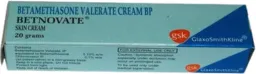
Loading page…
Betamethasone valerate is a topical corticosteroid used to reduce inflammation, redness and itching in selected skin conditions. Products include creams, ointments, lotions and scalp preparations in different strengths.
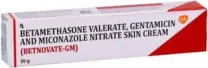
Betamethasone valerate is an ester of betamethasone made for use on the skin. People asking is betamethasone valerate a steroid should know that it is a topical corticosteroid. It is not an anabolic steroid.
The medicine enters skin cells and reduces inflammatory signals. This can relieve redness, swelling and itching. Its potency classification can vary with the country, concentration and vehicle. It is generally treated as a medium-strength to potent topical steroid, so careful use matters.
This page focuses on the valerate form. The broader betamethasone page explains other salts and injectable products.
Common betamethasone valerate cream uses include short-term control of steroid-responsive skin inflammation. A clinician may prescribe it for
Eczema or atopic dermatitis flares
Contact or allergic dermatitis
Selected psoriasis plaques
Other diagnosed rashes that respond to a topical corticosteroid
Betamethasone valerate for eczema can calm a flare but does not repair the skin barrier by itself. Continue any moisturiser plan as directed and leave a suitable time between products.
Betamethasone valerate for psoriasis may reduce redness, scale and itch in limited areas. It does not cure psoriasis. Thick plaques, widespread disease and sensitive body sites may need a different strength or treatment plan.
The medicine does not treat bacterial, viral or fungal infection. Using it on an undiagnosed infection can hide signs and delay correct treatment.
Betamethasone valerate 0.1 percent is a common prescription strength for cream, ointment or lotion. The figure describes concentration, not the amount to apply and not a universal measure of clinical potency.
Read the complete label because a product may state the amount as betamethasone valerate or the equivalent amount of betamethasone. Follow the directions supplied with that exact medicine.
People searching how to use betamethasone valerate cream should follow their prescription first. General steps include
Wash and dry your hands
Clean and gently dry the affected skin if needed
Spread a thin film over only the inflamed area
Rub it in gently until it is no longer obvious
Wash your hands after use unless they are being treated
Allow it to absorb before applying other skin products
Do not apply it under a bandage, tight clothing or a nappy unless a clinician specifically advises this. Covering the skin increases absorption and the risk of side effects.
A betamethasone valerate scalp application may be supplied as a lotion, solution or foam. Part the hair and apply the measured amount to affected scalp skin rather than coating the hair. Keep it away from the eyes, face and open flames if the product contains alcohol or flammable ingredients.
Wash hands afterwards and allow the treatment to dry. Do not use a scalp formulation on other body areas unless its label allows this. Seek advice if the scalp is infected, broken or not improving.
Possible betamethasone valerate side effects are usually limited to the treated skin when a small amount is used for a short time.
Local effects can include
Burning, stinging, dryness or irritation
Skin thinning and easy bruising
Stretch marks or visible small blood vessels
Acne-like spots or inflammation around the mouth
Changes in skin colour
Increased hair growth
Delayed healing or worsening infection
Long use, large areas, skin folds and covered treatment increase absorption. Rare systemic effects include reduced adrenal hormone production, higher blood sugar and growth effects in children. Eye pressure or cataract problems are possible if steroid repeatedly reaches the eyes or nearby skin.
Stop and seek advice for severe irritation, swelling, pus, rapidly spreading redness or signs of allergy. Urgent care is needed for breathing difficulty, facial swelling or major vision changes.
People asking can betamethasone valerate be used on face should not start it there without professional advice. Facial skin is thin and absorbs more steroid. It is also more likely to develop acne-like eruptions, rosacea, skin thinning and visible blood vessels.
If a clinician prescribes it for the face, use only the specified formulation, small amount and short course. Keep it away from the eyelids and eyes. Do not use it to lighten skin or treat ordinary acne.
The search betamethasone valerate vs betamethasone dipropionate compares two esters of betamethasone. Both reduce skin inflammation, but their strength depends on the concentration and vehicle. Betamethasone dipropionate products, especially augmented forms, are often stronger.
They are not interchangeable by percentage alone. A clinician chooses according to the body site, severity, age and duration needed. Using the strongest available product can increase harm without improving the final result.
Tell a clinician about skin infection, poor circulation, diabetes, immune problems, glaucoma, pregnancy, breastfeeding and other steroid medicines.
Avoid use on untreated fungal, bacterial or viral skin disease. Do not use it for acne, rosacea, itching without a rash or inflammation around the mouth unless specifically prescribed. Groin, underarm and skin-fold treatment requires extra care because absorption is higher.
Children have a larger skin surface compared with body weight and can absorb proportionally more medicine. Use in infants and children should follow a clinician’s exact directions. A nappy may act like an airtight dressing.
During pregnancy or breastfeeding, use the smallest suitable amount for the shortest necessary period after professional review. Do not apply it to the breast before feeding. Wash away any medicine that could contact the infant.
Important interactions are uncommon when a small skin area is treated briefly. Tell the prescriber if you use other corticosteroids as creams, tablets, inhalers, nasal sprays or injections. Combined exposure can raise the chance of systemic effects.
Do not layer it with another medicated skin product unless the timing has been explained. Moisturisers are often useful, but spacing them can prevent dilution or unintended spread.
Keep the container tightly closed and follow the temperature directions on the pack. Protect it from excessive heat and direct light. Some scalp liquids or foams may be flammable, so keep them away from flames and smoking. Store every medicine away from children and pets.
No. It does not kill fungi. Using a steroid alone on a fungal rash may change its appearance or allow it to spread. A clinician should confirm the cause of a suspected infection.