

Loading page…
Cancer can affect many parts of the body, and each type needs its own care plan. Explore cancer care medicines, supportive treatments and trusted health guides at KwickPharmacy.
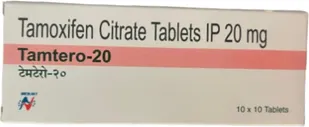
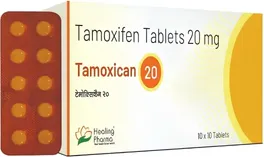
Cancer is a condition in which some body cells grow without control. It can begin in almost any part of the body. Some cancers grow slowly, while others grow quickly or spread to other organs. Cancer care depends on the type of cancer, its stage, test results, general health and treatment goals. Care may include medicines, surgery, radiation, monitoring and support for symptoms.
Cancer care includes the treatment of cancer and the care needed during and after treatment. Some medicines aim to destroy cancer cells. Others slow cancer growth, block hormones or help the immune system fight abnormal cells.
There is no single cancer medicine for every person. Treatment must be selected by an oncologist after proper testing.
Cancer types are often named after the part of the body where they begin. Common examples include:
Breast cancer
Lung cancer
Prostate cancer
Bowel or colorectal cancer
Skin cancer and melanoma
Ovarian, cervical and uterine cancer
Liver, kidney and pancreatic cancer
Leukemia and lymphoma
Multiple myeloma
Brain and spinal cord tumours
Blood cancers may not form a solid lump. Cancer can also spread from its original site to another part of the body.
Cancer symptoms can be different for each person. Possible signs include:
A new lump or swelling
Unexplained weight loss
Ongoing tiredness or weakness
A cough or hoarse voice that does not improve
Unusual bleeding or bruising
Changes in bowel or bladder habits
A mole or skin sore that changes
Persistent pain
Difficulty swallowing
These symptoms can also happen because of non-cancer conditions. A symptom that continues, returns or gets worse should be checked by a healthcare professional.
Cancer can develop after changes occur in the genes that control cell growth. These changes may happen by chance, be inherited or develop after long-term exposure to harmful substances.
Possible risk factors include smoking, alcohol, ultraviolet sunlight, radiation, some infections, excess body weight, ageing and certain workplace chemicals. Cancer can also occur in people without an obvious risk factor.
Doctors may use a physical examination, blood tests, scans and a biopsy. A biopsy checks a small tissue sample for cancer cells. Additional testing may look for genetic or biomarker changes.
Staging shows how large the cancer is and whether it has spread. This information helps the oncology team choose a suitable cancer treatment.
Treatment may use one method or a combination of methods.
Chemotherapy uses medicines that kill or slow fast-growing cells. It may be given as a tablet, injection or infusion.
Hormone therapy slows cancers that use hormones to grow, including some breast and prostate cancers.
Targeted therapy blocks a specific change or protein that helps cancer cells grow. Testing may be needed before this treatment is selected.
Immunotherapy helps the immune system recognise and attack cancer cells.
Radiation therapy uses focused energy to damage cancer cells.
Surgery removes a tumour or affected tissue when appropriate.
Stem-cell treatment may be used for selected blood cancers and other serious conditions.
Some cancer treatment medicines are taken at home, while others must be given in a hospital or specialist clinic. Blood tests and regular reviews are often needed.
Cancer treatment side effects may include nausea, vomiting, tiredness, hair loss, mouth problems, diarrhoea, constipation, pain, skin changes and a higher risk of infection.
Doctors may prescribe anti-sickness medicines, pain medicines, fluids, steroids or other supportive treatments. Cancer pain management may involve more than one medicine and should be planned by the healthcare team.
Report new or worsening side effects. Do not stop cancer medicine without medical advice.
Good cancer care also includes emotional and practical support. Helpful care may involve nutrition advice, hydration, gentle activity, counselling, family support and palliative care.
Palliative care can be provided alongside cancer treatment. It helps control pain, breathing problems, nausea, tiredness and other symptoms.
Cancer medicines can interact with other prescriptions, supplements and herbal products. Tell the oncology team about every medicine being taken.
Do not start an alternative cancer product or supplement without professional advice. Some oral cancer medicines should not be crushed, split or handled by other people. Follow the instructions on storage, timing and disposal.
Seek urgent medical help for fever during chemotherapy, severe breathing difficulty, chest pain, uncontrolled bleeding, confusion, fainting, severe vomiting or signs of a serious allergic reaction.
KwickPharmacy helps customers review available cancer care medicines and supportive products by ingredient, form and prescription status. Cancer medicines online should only be purchased and used when approved by the treating healthcare team. Availability and prescription rules vary by location.
No. The correct cancer medicine depends on the cancer type, stage, test results, general health and previous treatment.